
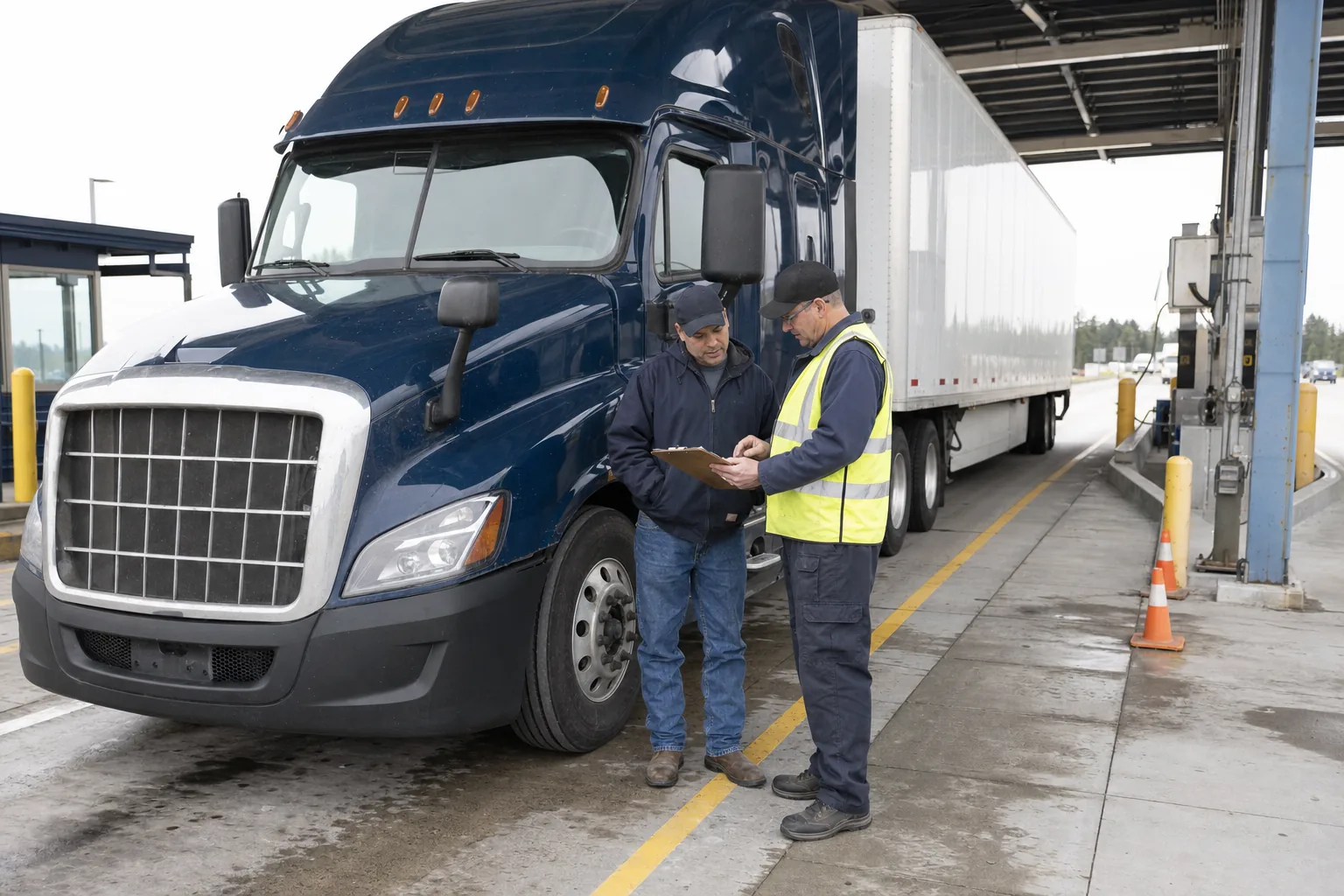
Roadside readiness is often discussed as a driver skill, but much of it is decided before the truck reaches the scale. Current credentials, accessible records, resolved defects, and consistent equipment assignment give the driver a clean starting point.
A pre-trip process should make it easy to report a real concern and difficult to lose it. If a defect is deferred, the record should explain who reviewed it, why the equipment remains safe to operate, and when the repair will occur. The driver should not discover at roadside that a known issue disappeared into a message thread.
Document access matters too. Drivers need to know where registration, insurance, permits, shipping papers, and electronic logs are located. If documents are digital, confirm they remain available when connectivity is weak. A five-minute terminal check can prevent a long roadside search.
Use inspection results as fleet information. Group violations by equipment, terminal, maintenance vendor, and type. The objective is not to blame the last person who touched the truck; it is to find the operating condition that allowed the same issue to return.
Fleet Desk analysis based on public agency releases, published operating data, and practical carrier workflows. This is independent editorial analysis, not legal advice or firsthand event reporting.