
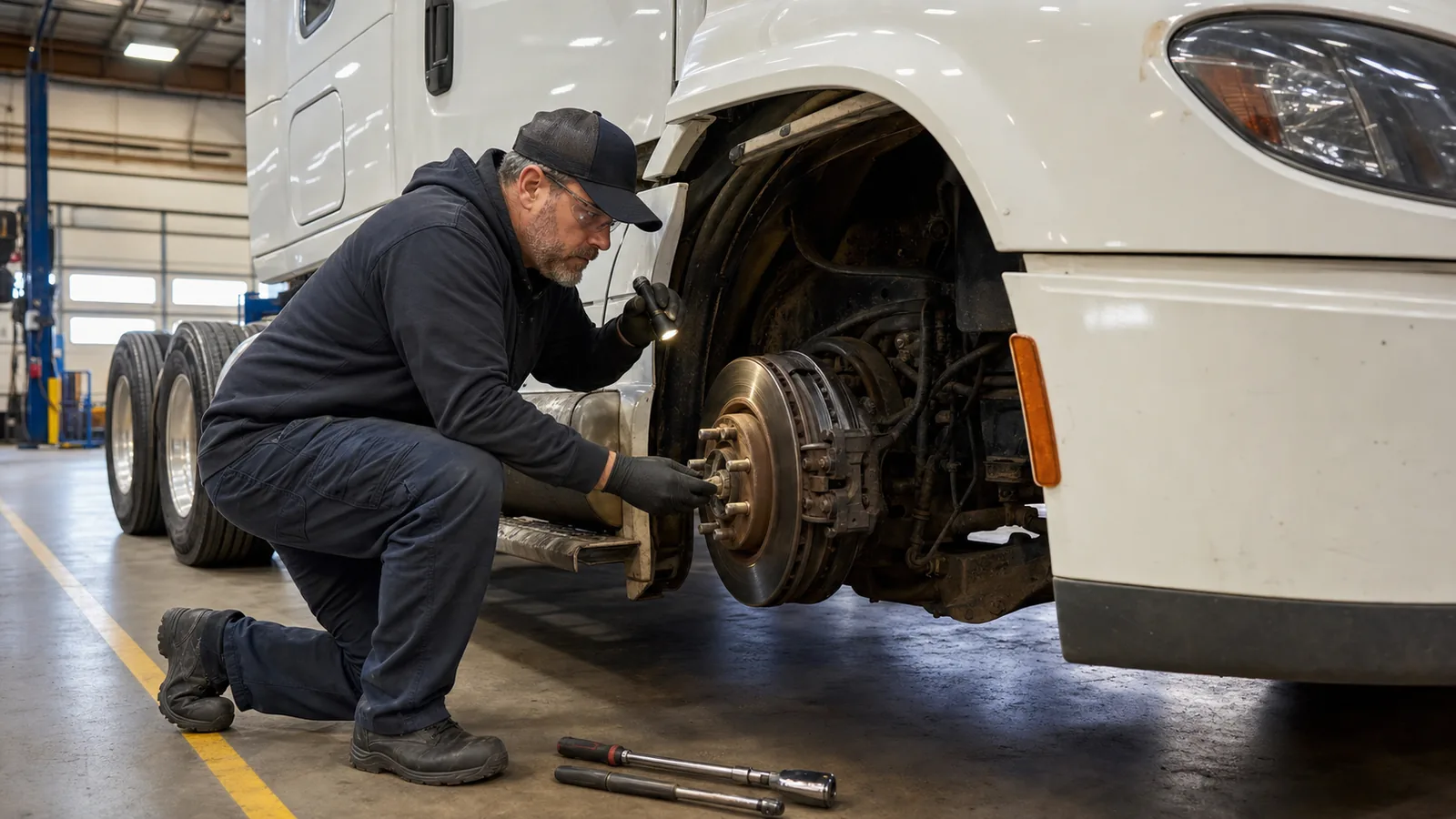
Preventive maintenance often appears on a calendar as a shop event. In practice it is a fleetwide commitment. If dispatch repeatedly pushes a tractor beyond the planned window, the maintenance team is forced to react, parts planning becomes harder, and a controlled service event can become roadside downtime.
The strongest process gives dispatch visibility before equipment becomes due. A remaining-mile or remaining-day warning should appear while there is still time to plan a return. The shop needs the expected arrival, the known driver concerns, and the next operational commitment so it can prepare the work.
Drivers are an important source of early information. A consistent pre-trip note about vibration, air loss, fluid consumption, warning lights, or tire wear can give the shop time to investigate. The reporting path should be simple and the driver should know whether the concern was acknowledged.
Maintenance performance is more than completing work orders. Measure on-time PM completion, repeat defects, roadside events after service, and how long equipment waits before work begins. Those measures show whether the process is preventing downtime or simply documenting it.
Fleet Desk analysis based on public agency releases, published operating data, and practical carrier workflows. This is independent editorial analysis, not legal advice or firsthand event reporting.